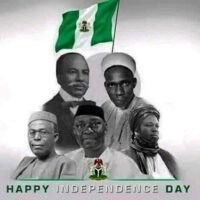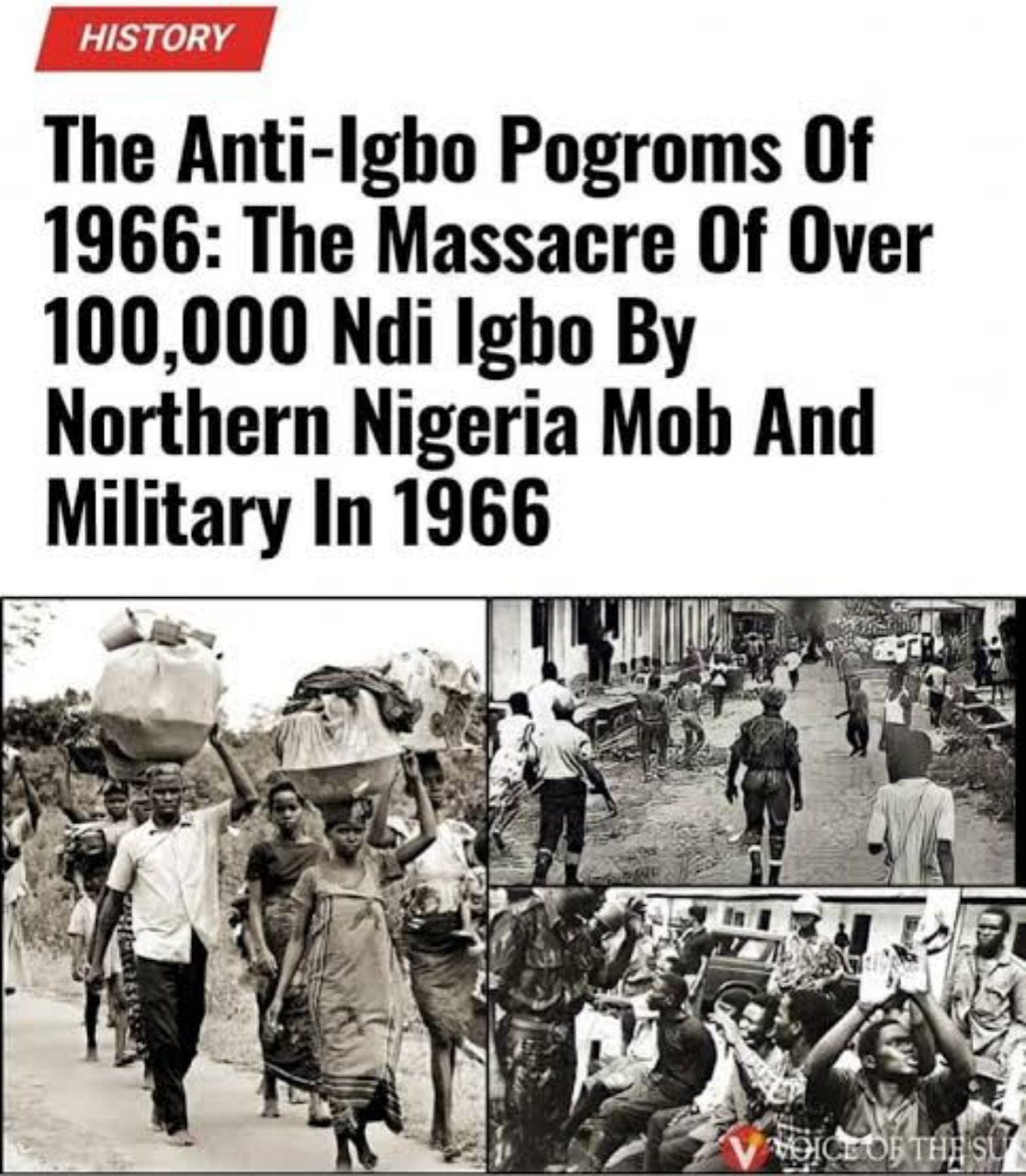
Why the October 1, 1966 Pogrom Will Always Bear a Scarlet Stain on Nigeria’s Independence Day
If we mindlessly forget the thousands of lives lost to violence on this day in 1966, then every Independence Day celebration risks becoming an exercise in selective memory. What kind of nation moves forward as though the suffering of its own people never happened?
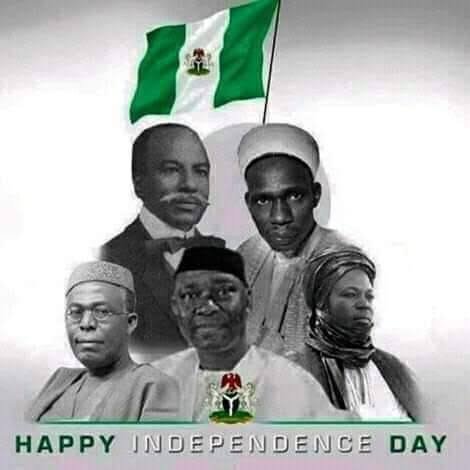
No matter how difficult it is to confront such a painful history at a time of celebration, there is a truth that must be acknowledged. Beyond the anthem, the flag and the green-and-white colours, the bloodshed and mass displacement that followed the events of 1966 remain part of Nigeria’s national story. Guns, grief and green-and-white continue to exist side by side in the complicated history of October 1.
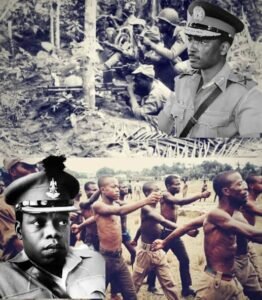
While millions of Nigerians gather each year to celebrate independence and reflect on the promise of freedom from colonial rule, history also asks us to remember the darkness that followed. True patriotism does not require the erasure of tragedy. It requires the courage to remember it.
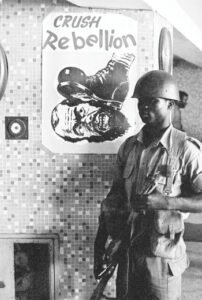
The 1966 anti-Igbo pogroms remain one of the most painful chapters in Nigeria’s post-independence history, with widespread violence against Igbos and other Easterners in Northern Nigeria following the political upheavals and military coups of that year.
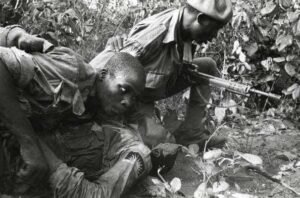
The violence triggered a massive humanitarian crisis and an unprecedented movement of people from the North to the Eastern Region. Thousands lost their lives, while more than one million people were eventually displaced from their homes, jobs and communities. The resulting trauma and political crisis contributed to the chain of events that eventually led to the declaration of Biafra and the Nigerian Civil War.
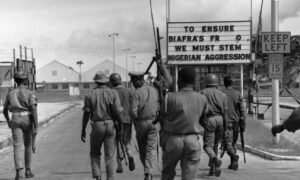
Therefore, remembering the victims of the 1966 pogrom is not an attempt to divide Nigeria. It is an acknowledgement of the people who suffered and a reminder of the devastating consequences of ethnic hatred and violence. A nation cannot fully understand its present or build a more peaceful future by refusing to confront the painful chapters of its past.
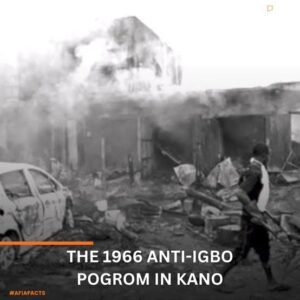
Before I take a bow, may I humbly remind us that healing begins with remembrance. The haunting ghost of October 1, 1966 will continue to linger in Nigeria’s history until the nation finds the courage to remember those who were lost, acknowledge those who were displaced and confront the scars that still remain.