By: Chioma Madonna Ndukwu
World Food Day 2026: Healthy Food Should Not Be a Luxury
A child may eat every day and still lack the nutrients needed to grow well. For many families, healthy food is becoming harder to afford.

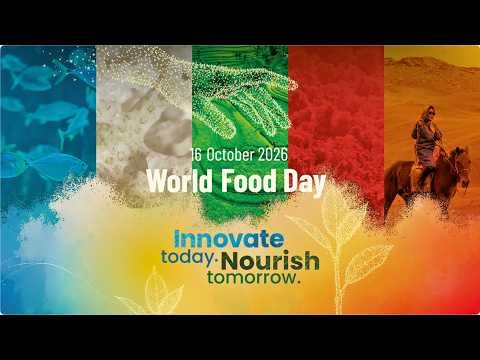
That is the concern behind World Food Day, observed on October 16. Its 2026 theme, “Innovate Today. Nourish Tomorrow,” connects food systems with human health.
The date commemorates the founding of the Food and Agriculture Organization of the United Nations in 1945. World Food Day was first celebrated in 1981.
Food insecurity is not only about empty stomachs. It can also mean meals lacking vegetables, fruit, protein and other nutrients essential for healthy lives today.
Global estimates say 645 million people experienced hunger in 2025, while 2.69 billion people could not afford a healthy diet, according to UN reporting worldwide.
In Nigeria, foods such as beans, ugu, millet, eggs, fish, oranges and pawpaw can support balanced diets. Yet rising prices put many beyond household budgets.
When money runs short, families may reduce protein, skip fruit or depend on cheaper staples. These choices can leave children and adults short of nutrients.
Food safety matters, too. Counterfeit, adulterated or contaminated products can threaten health, so consumers need trustworthy food as well as affordable, nourishing choices every day.
Food inflation, insecurity and high farming costs deepen the problem. When farmers cannot reach fields, afford inputs or transport harvests safely, supply and access suffer.
FAO projected nearly 36.3 million Nigerians would face severe acute food insecurity between June and August 2026, underscoring the urgency of improving access for millions.
FAO also reported annual food inflation of 20.3 percent in July 2026, showing how rising prices can make nutritious choices harder for households across Nigeria.
Poor roads and inadequate storage can cause crops to spoil before reaching markets. Those losses waste farmers’ work and can add pressure to food prices.
Nutrition advice alone cannot solve this challenge. Families cannot follow healthy-eating guidance when nutritious ingredients cost more than they can reasonably afford at today’s prices.
Practical solutions include supporting farmers, improving rural roads and storage, expanding irrigation, and providing affordable credit, quality seeds and useful weather information for smallholder farmers.

Stronger local processing can preserve harvests and reduce waste, while effective food-safety checks can help prevent dangerous products from reaching consumers and local markets safely.
Governments, producers and communities all have roles to play. Food policies should protect public health while making nutritious food more accessible to ordinary households everywhere.
World Food Day should mean more than speeches and posters. Its value will show when families can afford safe, varied meals that support healthy lives.
A harvest is not the whole measure of food security. The real test is whether people can bring safe, nourishing food home and eat well.