Tinubu Seeks Fresh $20.5bn, €1.04bn Foreign Loans as 2027 Election Draws Closer
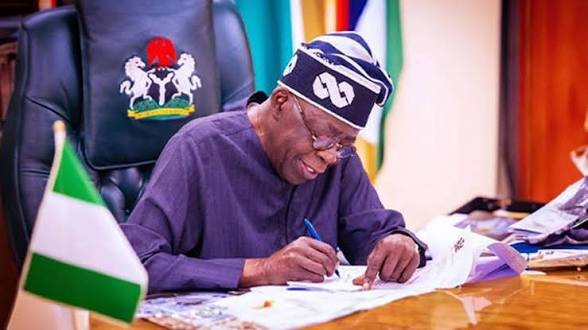
President Bola Tinubu has asked the National Assembly to approve fresh foreign loans worth $20.52 billion and €1.04 billion to finance government projects and programmes across several sectors of Nigeria’s economy.
The request was conveyed in a letter read by Senate President Godswill Akpabio during plenary on Tuesday, October 27, 2026, as Nigeria prepares for the 2027 general election.
The latest borrowing proposal adds to a series of external financing arrangements pursued by the Tinubu administration, raising questions about Nigeria’s debt obligations, repayment capacity and the long-term implications for public finances.
In March 2026, the National Assembly approved two external financing facilities worth a combined $6 billion, following requests from the Federal Government.
The facilities comprised a proposed $5 billion financing programme from First Abu Dhabi Bank in the United Arab Emirates and a $1 billion UK-backed export credit facility arranged through Citibank.
The government said the $5 billion facility would support budget implementation, finance priority infrastructure projects and refinance existing domestic and external debts carrying higher interest costs.
The separate $1 billion facility was intended to fund the rehabilitation and reconstruction of the Lagos Port Complex and Tin Can Island Port, two major facilities serving Nigeria’s maritime industry.
The Senate approved the financing arrangements after considering a report from its Committee on Local and Foreign Debts.
In July 2025, lawmakers also approved an external borrowing plan exceeding $21 billion for the 2025 and 2026 fiscal years.
The package included approximately $21.19 billion in direct foreign loans, €4 billion, ¥15 billion and a $65 million grant, alongside additional domestic borrowing through government bonds.
The proposed funds were intended to finance projects covering infrastructure, agriculture, healthcare, education, security, housing and other sectors considered important to national development.
Railway development, electricity generation, digital connectivity and housing schemes were also among the planned investments.
However, the scale of the borrowing plan raised concerns among some lawmakers about transparency, repayment arrangements and the financial burden future administrations could inherit.
During Senate deliberations in July 2025, Senator Abdul Ningi questioned whether the documents presented to lawmakers adequately explained how the proposed loans would be repaid. He called for a detailed breakdown of the borrowing plan.
Lawmakers who supported the proposals maintained that external financing was necessary to execute critical infrastructure projects and meet the government’s budgetary commitments.
Tinubu’s latest request comes as political activities gather momentum ahead of the 2027 general election, placing renewed attention on the administration’s borrowing decisions and economic management.
The president, elected in 2023, is seeking another term amid public debate over his administration’s economic reforms, particularly the removal of the petrol subsidy and changes to foreign exchange policies.
The Federal Government has defended the reforms as necessary measures to stabilise public finances, improve economic management and attract investment.
Nevertheless, rising living costs continue to put pressure on households and businesses, keeping economic hardship, government expenditure and debt management at the centre of national discussions.
The proposed foreign loans are expected to attract further scrutiny as Nigerians weigh the government’s infrastructure ambitions against concerns about borrowing levels, repayment obligations and the country’s long-term economic stability.