Trump Suffers Supreme Court Setback Over California Election Ballots
The United States Supreme Court has dealt another legal blow to President Donald Trump after rejecting his administration’s attempt to stop California from counting disputed election ballots.

The decision blocks a Justice Department demand to isolate approximately 20,000 ballots linked to individuals the federal government suspects of being non-US citizens.
The dispute has intensified tensions between Washington and California over control of election procedures ahead of the November 2026 midterm elections.
The Supreme Court announced its decision on Monday without issuing an explanation, following a series of court defeats for the Trump administration.
No justice publicly dissented from the ruling.
The controversy began in October when the Justice Department sent election officials in Los Angeles and Sacramento a USB drive containing names of alleged non-citizen voters.
The department gave officials 48 hours to review the records and separate ballots associated with the individuals until they could establish their citizenship.
It also threatened legal action against officials who refused to comply.
California authorities rejected the demand, questioning the accuracy of the information and the legal basis for the federal government’s intervention.
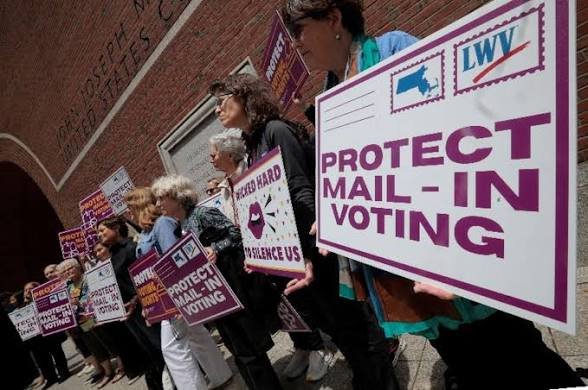
Voting rights organisations also challenged the exercise, arguing that the administration was creating unnecessary suspicion around the electoral process.
Los Angeles County Clerk and Recorder Dean Logan said the federal government had failed to provide supporting evidence or explain how it identified the alleged ineligible voters.
An examination of the records by election officials reportedly uncovered numerous possible inaccuracies.
California Governor Gavin Newsom welcomed the Supreme Court’s decision, accusing the Trump administration of repeatedly pursuing an unjustified challenge against the state’s electoral system.
He said the highest court had rejected an attempt that had already suffered defeats in lower courts.
State Attorney General Rob Bonta also praised the ruling, describing it as a setback for Washington’s efforts to interfere with California’s election administration.
However, he warned that the state would continue defending its electoral procedures against further legal challenges.
The Justice Department had previously threatened to prosecute California election officials who counted ballots connected to people identified on its list.
A federal judge intervened on Friday, preventing the administration from threatening officials over their handling of the disputed ballots.
The confrontation is part of Trump’s broader effort to expand federal involvement in election administration and investigate allegations of non-citizen voting.
The Justice Department has publicised arrests involving dozens of non-citizens accused of illegally registering and voting in federal elections.
However, some of those arrested reportedly held legal permanent residency and had lived in the United States for decades.
Omar Muñoz, one of the individuals charged, told The Guardian that he believed authorities had used his arrest to generate publicity.
He also said he had been unaware that his immigration status disqualified him from voting.
Beyond California, the Justice Department has demanded similar restrictions in Washington state, seeking to prevent the counting of ballots associated with suspected non-citizens.
It has also filed criminal charges against 28 green card holders in California over alleged fraudulent voter registration and illegal voting.
Meanwhile, Trump has proposed offering a $1 million reward for information about voter fraud that leads to an arrest or conviction.
The administration has continued defending its investigations as necessary measures to protect electoral integrity.
However, research and expert assessments indicate that non-citizen voting in American elections remains extremely uncommon.
The Supreme Court’s intervention marks another significant development in the confrontation over federal election authority, state independence and voting rights.
With the 2026 midterm elections approaching, the dispute is expected to remain an important legal and political issue.