By: Chioma Madonna Ndukwu
Nigerian-Americans Make Their Mark in US Politics
In 1967, American civil rights leader Martin Luther King Jr. spoke about a future in which Black Americans would have enough political influence to elect a Black president. He said, “The day will come in the not-too-distant future when the Negro vote itself will be powerful enough … to elect a Negro president of the United States.”
Forty-one years later, Barack Obama became America’s first Black president. Today, another development is drawing attention to the place of people of African heritage in American political leadership:
14 Nigerian-Americans have won elective positions in the country’s November 3, 2026, midterm elections.
Their victories stretch across nine states and Washington, DC, covering different levels of government.
For Nigeria, the news carries a familiar sense of pride. For the winners, however, the celebrations come with the responsibility of representing communities that have entrusted them with public office.
The Nigerians in Diaspora Commission (NiDCOM), chaired by Abike Dabiri-Erewa, announced the 14 victories on November 4, describing them as evidence of the diaspora’s growing contribution to public leadership.
Maryland’s Will Jawando secured the Montgomery County executive position, placing him in charge of an administration responsible for services and policies affecting county residents.
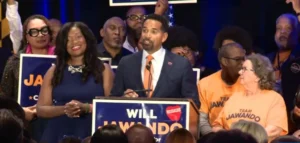
Will Jawando
His victory is among the most prominent on the list because of the executive responsibilities attached to the office.
Texas produced two winners. Junior Ezeonu secured State House District 101, while Odus Evbagharha won District 135.
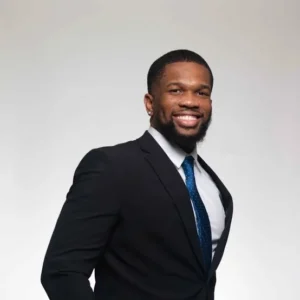
Junior Ezeonu
Ezeonu’s story carries a strong Nigerian connection: he was born in Onitsha, Anambra State, before moving to the United States as a child.
In Washington, DC, Dr Oye Owolewa won an at-large seat on the District Council. A pharmacist whose parents are from Kwara and Osun states, Owolewa has previously served as the district’s shadow representative.

Dr Oye Owolewa
Pennsylvania’s Carol Kazeem retained her State House District 159 seat, continuing her work in the state legislature.

Carol Kazeem
Georgia recorded four victories through Segun Adeyina, Solomon Adesanya, Gabe Okoye and Phil Olaleye. Their wins add to the growing presence of Nigerian-Americans in the state’s legislative affairs.
The remaining winners are Esther Agbaje, re-elected to Minnesota’s House of Representatives; Ukeme Awakessien-Jeter of Ohio; Olaleye Onikuyide of Connecticut; Justin Onwenu, elected to Michigan’s State Senate; and Janelle Anyanonu of New Mexico.
These are more than names on an election list. Each victory represents voters who have chosen someone to speak for their interests, debate public policy and help determine how their communities are governed.
For many immigrants and children of immigrants, public life can involve years of building relationships, understanding local concerns and earning the confidence of people from different backgrounds.
Nigerian heritage may shape their personal stories, but their political responsibilities extend to every constituent, regardless of origin.
The significance of these victories also reaches beyond the United States. They offer Nigerians at home a glimpse of how people with Nigerian roots are contributing to public institutions abroad.
Their presence in elected office adds political representation to the familiar stories of Nigerian achievements in medicine, business, education, science and technology.
Still, the real measure of these victories will not be the congratulatory messages or celebrations that follow election night. It will be the quality of representation, the attention given to local problems and the willingness to keep promises made to voters.
NiDCOM also disclosed that the result involving Kansas State Representative KC Ohaebosim, who was seeking the lieutenant governor’s position, was still being awaited at the time of its announcement.
King’s words were spoken in a different America, during a difficult chapter in the struggle for civil rights. Obama’s election showed how far the country had travelled, even as questions about equality and representation remained.
Now, 14 Nigerian-Americans have added their names to the continuing story of participation in American public life.
Their next chapter will be written not simply by where they come from, but by what they do with the trust placed in them.