Slavery Row: King Charles Faces Protests at Commonwealth Summit
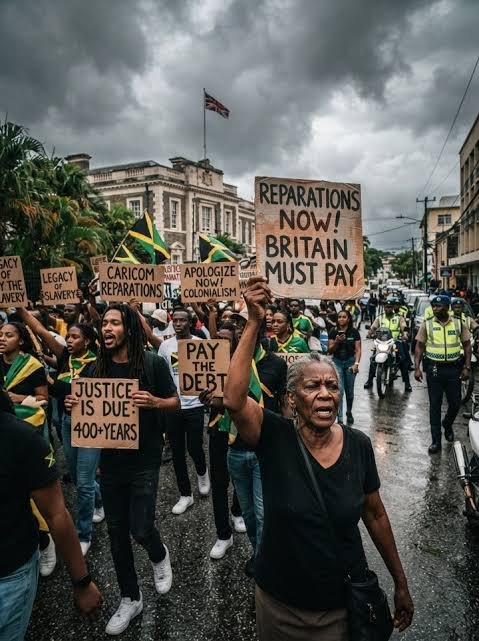
King Charles III and British Prime Minister Andy Burnham are expected to face protests in Antigua as activists demand an apology and reparations for Britain’s role in the transatlantic slave trade.
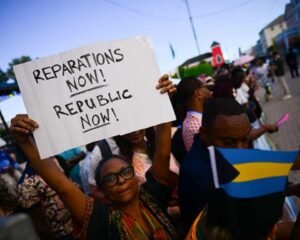
Demonstrators are preparing placards, billboards, T-shirts and public vigils to draw attention to the historical enslavement of millions of Africans and its lasting consequences.
The protests will coincide with the Commonwealth Heads of Government Meeting (CHOGM), which brings together leaders from 56 member countries.
Campaigners intend to make slavery reparations a major public issue throughout the gathering, insisting that Britain cannot avoid addressing its colonial history.
James Knight of Citizens for Reparatory Justice, one of the organisations coordinating the demonstrations, said protests had become necessary following Britain’s position on reparations.
He described the government’s decision to rule out an apology and compensation ahead of the summit as insulting and insensitive to affected communities.
However, Burnham indicated some willingness to engage with the demands in an article published on Friday, proposing structured discussions with communities affected by the transatlantic slave trade.
He said listening to calls for a formal apology on behalf of the British state would form an important part of the proposed dialogue.
Although the prime minister did not promise an apology or reparations, his statement has introduced a new dimension to the debate.
Beyond street demonstrations, campaigners have planned a candlelight vigil to remember enslaved Africans and the launch of a global reparations caravan.
Organisers say the international initiative will combine advocacy, cultural activities and demonstrations to strengthen demands for historical justice.
Hilary Beckles, chairman of the Caribbean Community Reparations Commission, described the Commonwealth gathering as an important opportunity to advance reparations discussions.
Beckles, who also serves as vice-chancellor of the University of the West Indies, maintained that reparatory justice remained a major priority for Caribbean countries.
The campaign reflects more than a decade of efforts by Caribbean leaders to secure Britain’s acknowledgement of its involvement in slavery and colonial exploitation.
Although reparations are not formally listed on the summit’s agenda, Caribbean leaders are expected to raise the issue during private discussions.
Several organisations supporting the campaign will also meet outside the official gathering to coordinate their demands.
Expected participants include the Repair Campaign, British law firm Leigh Day, Open Society Foundations, TrustAfrica and the UK’s parliamentary group for Afrikan reparations.

The protests are expected to place Britain’s historical responsibility for slavery under renewed scrutiny as King Charles and government officials meet Caribbean and other Commonwealth leaders.