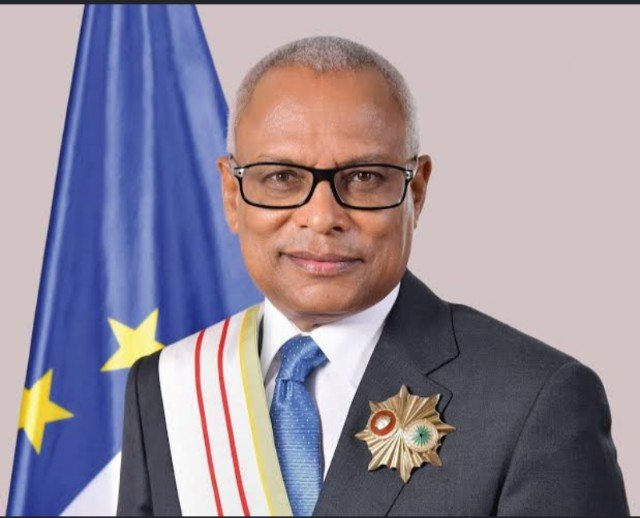
Cabo Verde President José Maria Neves Favoured to Win Second Term
Cabo Verde President José Maria Neves is expected to secure a second five-year term in Sunday’s presidential election, following his party’s victory in the legislative polls earlier this year.
Political analysts have identified Neves as the clear frontrunner against his main challenger, Joana Rosa, a former justice minister and the country’s first female presidential candidate.
Located more than 600 kilometres west of mainland Africa, Cabo Verde is a former Portuguese colony with a population of approximately 500,000.
However, the election campaign has focused on key issues, including unemployment, economic development and the growing migration of young citizens seeking better opportunities abroad.
Rosa warned that the continued departure of young Cabo Verdeans was creating domestic challenges and slowing the country’s development.
She said efforts were needed to create opportunities that would encourage young people to build their futures at home.
Cabo Verde operates a hybrid presidential-parliamentary system in which the prime minister leads the government, while the president retains significant constitutional powers, including veto authority and a mediating role.
Furthermore, Neves is backed by the African Party for the Independence of Cabo Verde, PAICV, which secured 37 of the 72 parliamentary seats in May’s legislative elections.
The victory paved the way for Francisco Carvalho to become prime minister.
His challenger, Rosa, represents the Movement for Democracy, MPD, which governed the country for a decade before losing the legislative election.
Nonetheless, Neves, who served as prime minister for 15 years from 2001, said his first presidential term focused on reaching citizens across the country’s islands and its diaspora communities in Africa and the United States.
He said his second-term priorities would include organising a Youth Convention to address employment challenges and establishing a forum to identify national development priorities through 2050.
Neves also pledged to promote inclusive economic growth, improve wages and incomes, and introduce reforms aimed at raising citizens’ quality of life.
Meanwhile, Rosa said her presidential ambition was aimed at demonstrating women’s leadership capabilities, attracting foreign investment and promoting a balance of political power rather than allowing one party to dominate government.
She also pledged to address the country’s development challenges and create better opportunities for its citizens.