

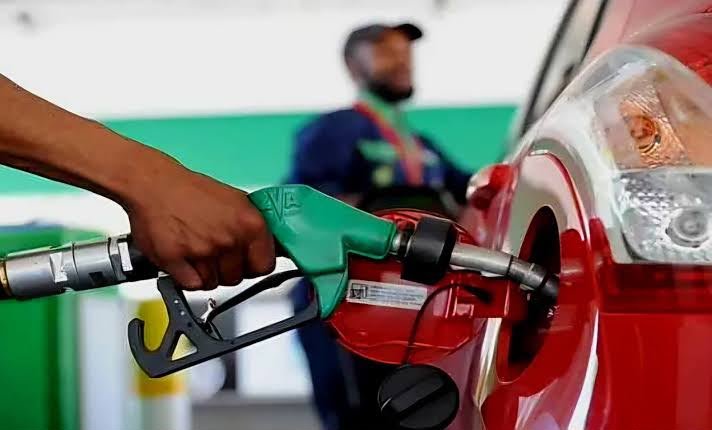
A litre of petrol costs just a few naira in one African country, while motorists in other parts of the continent pay more than ₦1,000 for the same quantity.
The wide difference in pump prices is reflected in the latest figures from GlobalPetrolPrices, which tracks retail prices for Octane-95 gasoline across countries.
Data published for September 21, 2026 showed that Libya had the lowest petrol price in Africa, followed by Angola and Algeria.
The figures also put Nigeria among the 10 African countries with the lowest recorded petrol prices, although the price used for the country differs from what motorists may find at individual filling stations.
Here are the countries that occupied the top 10 positions.
1. Libya — ₦32 per litre
Libya recorded the lowest petrol price on the continent, with a litre of Octane-95 gasoline priced at about 0.150 Libyan dinar, equivalent to roughly ₦32 based on the conversion used in the report.
The North African nation is one of the continent’s major oil producers and has some of the world’s largest proven crude oil reserves.
Petroleum remains central to Libya’s economy, while government control of the domestic fuel market helps keep pump prices far below those seen in many other countries.
2. Angola — ₦433 per litre
Angola followed Libya with a reported petrol price of about ₦433 per litre.
GlobalPetrolPrices put the local pump price at 300 Angolan kwanza per litre as of September 21.
Angola is one of Africa’s major crude oil producers, with its petroleum industry playing a significant role in government revenue and the wider economy.
3. Algeria — ₦465 per litre
Algeria occupied the third position, with petrol selling at approximately ₦465 per litre.
The country is a major producer of both crude oil and natural gas and remains an important energy supplier to Europe.
Its domestic fuel prices are also influenced by government policies regulating the energy market.
4. Egypt — ₦615 per litre
Egypt ranked fourth, with petrol priced at about ₦615 per litre.
The country has a long history of oil production and possesses significant refining capacity, making it one of the major players in Africa’s petroleum industry.
Egypt also occupies an important position in the regional energy market because of its oil and natural gas infrastructure.
5. Sudan — ₦926 per litre
Sudan recorded a petrol price of approximately ₦926 per litre, placing it fifth on the list.
Although Sudan is an oil-producing country, its petroleum industry is closely linked to that of neighbouring South Sudan, which holds a large share of the oil reserves from the former unified country.
Economic difficulties, currency pressures and changes to fuel subsidies have continued to influence Sudan’s energy market.
6. Tunisia — ₦1,134 per litre
Tunisia came sixth, with petrol selling at about ₦1,134 per litre.
Unlike oil-rich Libya and Algeria, Tunisia has relatively limited hydrocarbon resources and depends significantly on imported petroleum to meet domestic demand.
Its position on the list therefore reflects a different energy structure from that of its North African neighbours.
7. Niger — ₦1,155 per litre
Niger ranked seventh, with petrol priced at approximately ₦1,155 per litre.
The West African country has been expanding its oil industry and has moved from being primarily an importer of petroleum products towards becoming a crude oil exporter.
Its growing petroleum sector has increased the country’s role in the regional energy market.
8. Nigeria — ₦1,331.50 per litre
Nigeria occupied the eighth position, with GlobalPetrolPrices recording an average price of ₦1,331.50 per litre on September 21.
The tracker said the figure was 12 per cent higher than the price recorded a month earlier and 55.3 per cent above the level recorded a year earlier.
Nigeria remains one of Africa’s largest oil producers, although the country’s domestic petrol market has undergone major changes since the removal of the petrol subsidy.
Actual pump prices can vary across states, cities and filling stations, meaning consumers may encounter prices above or below the figure used in the international comparison.
9. Ethiopia — ₦1,372 per litre
Ethiopia ranked ninth, with petrol selling for about ₦1,372 per litre.
The country has traditionally depended heavily on imported petroleum products to meet domestic demand, leaving its fuel market exposed to international prices, exchange-rate movements and import costs.
10. Gabon — ₦1,377 per litre
Gabon completed the list at approximately ₦1,377 per litre.
The Central African country is a significant oil producer, although its domestic fuel market remains subject to government regulation.
Its inclusion in the ranking highlights the difference between being an oil-producing country and having extremely low domestic pump prices.
The September figures show just how sharply petrol prices can differ across Africa.
Libya’s reported price of about ₦32 per litre stands in stark contrast to the more than ₦1,300 recorded for the countries at the lower end of this particular top-10 ranking.
However, a lower pump price does not automatically mean petrol is more affordable for ordinary citizens. Wages, inflation, exchange rates, taxation, subsidies and household purchasing power all affect the real cost of fuel.
The figures therefore offer a comparison of petrol pump prices across African countries, rather than a ranking of where motorists necessarily enjoy the greatest purchasing power.








Leave a comment