

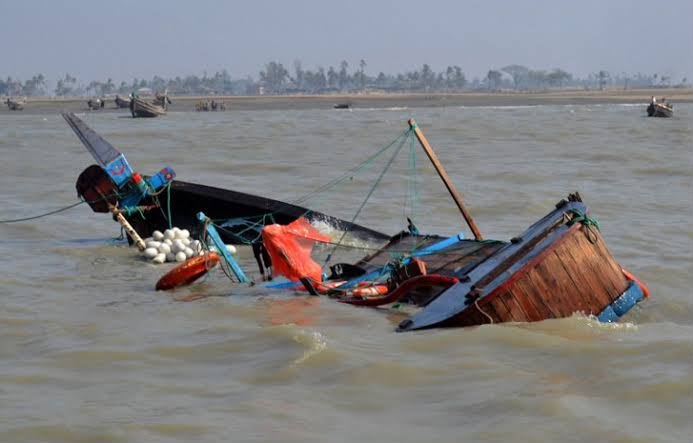
The Democratic Republic of Congo has been hit by two deadly transport accidents in separate parts of the country, leaving at least 13 people dead in a military aircraft crash and more than 40 missing after a passenger boat sank on Lake Tanganyika.
The two incidents occurred within a day of each other, deepening concerns over transport safety in a country where difficult terrain and weak infrastructure make air and water transport essential for many communities.
The aircraft crash happened on Friday in Kenge, the capital of Kwango Province, after the military plane reportedly developed a technical problem while travelling from Kikwit towards Kinshasa.
Kwango Vice Governor Remy Saki Bokinda said the crew attempted to land in Kenge but could not find a suitable landing strip.
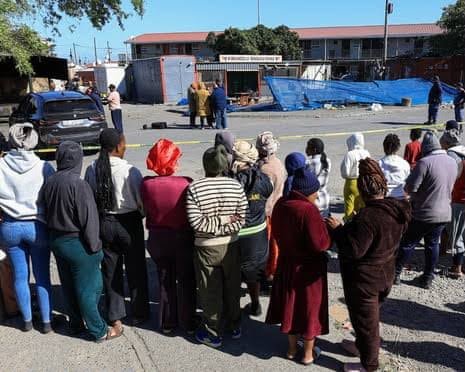
The aircraft eventually crashed into a residential compound, killing everyone on board.
The force of the crash and resulting fire left 12 victims burned beyond recognition, while the pilot’s body was recovered outside the wreckage.
Among the victims were senior military officers, including General Likulia Bakumi, the army’s auditor general, as well as a major and a captain. Civilians were also reported to have been on the aircraft.
Congo’s aviation accident investigation authority has launched an investigation to determine what caused the aircraft to crash.
While rescue and recovery efforts continued after the air disaster, another tragedy was unfolding hundreds of kilometres away on Lake Tanganyika.
A passenger boat carrying 84 people, including 12 crew members, sank on Thursday, leaving more than 40 people missing, according to Tanganyika Province Transport Minister Norris Mulongoy.
Forty-three people had been rescued by Friday, among them three children and four Tanzanian nationals.
Authorities had yet to establish what caused the boat to sink.
The accident has again drawn attention to the dangers faced by passengers who depend on boats to travel between communities along the vast lake.
In many parts of Congo, waterways serve as vital transport routes because poor road networks make overland journeys difficult, particularly in remote communities.
The country’s reliance on ageing vessels has also contributed to repeated boat accidents, with safety standards and enforcement remaining a persistent concern.
The twin disasters have now left families in different parts of the country waiting for answers.
In Kenge, relatives are mourning military personnel and civilians killed in the aircraft crash. On Lake Tanganyika, other families are still waiting for rescue teams to locate loved ones whose fate remains unknown.
For a country spread across a vast and challenging landscape, the incidents have once again exposed the risks faced by people whose daily movement depends on aircraft and waterways.











Leave a comment